Awari
A Half-Acre Natural Farming Initiative
In Awari, a village in North Bastar Kanker district, a retired teacher has undertaken a natural farming demonstration on approximately half an acre of land.
The initiative examines how cultivation without synthetic chemical fertilisers, herbicides and pesticides can be practised on a small farm, with attention to soil health, crop production and the practical concerns of farming families.
Awari at a Glance
Charama Block, North Bastar Kanker, Chhattisgarh
Jeevan Vidya–Sah-Astitva study
Natural farming demonstration
Approximately half an acre
Soil health, cultivation practices, production and input costs
A History of Study and Dialogue
Awari has an earlier association with Jeevan Vidya–Sah-Astitva study.
Shri A. Nagraj Ji visited Awari and conducted a three-day introductory workshop.
Recordings from this workshop later contributed to the development of the book Jeevan Vidya: Ek Parichay.
Members of Gayatri Parivar and other local residents participated in these early discussions, contributing to the village's continued association with Jeevan Vidya study.
Cultivation on Half an Acre
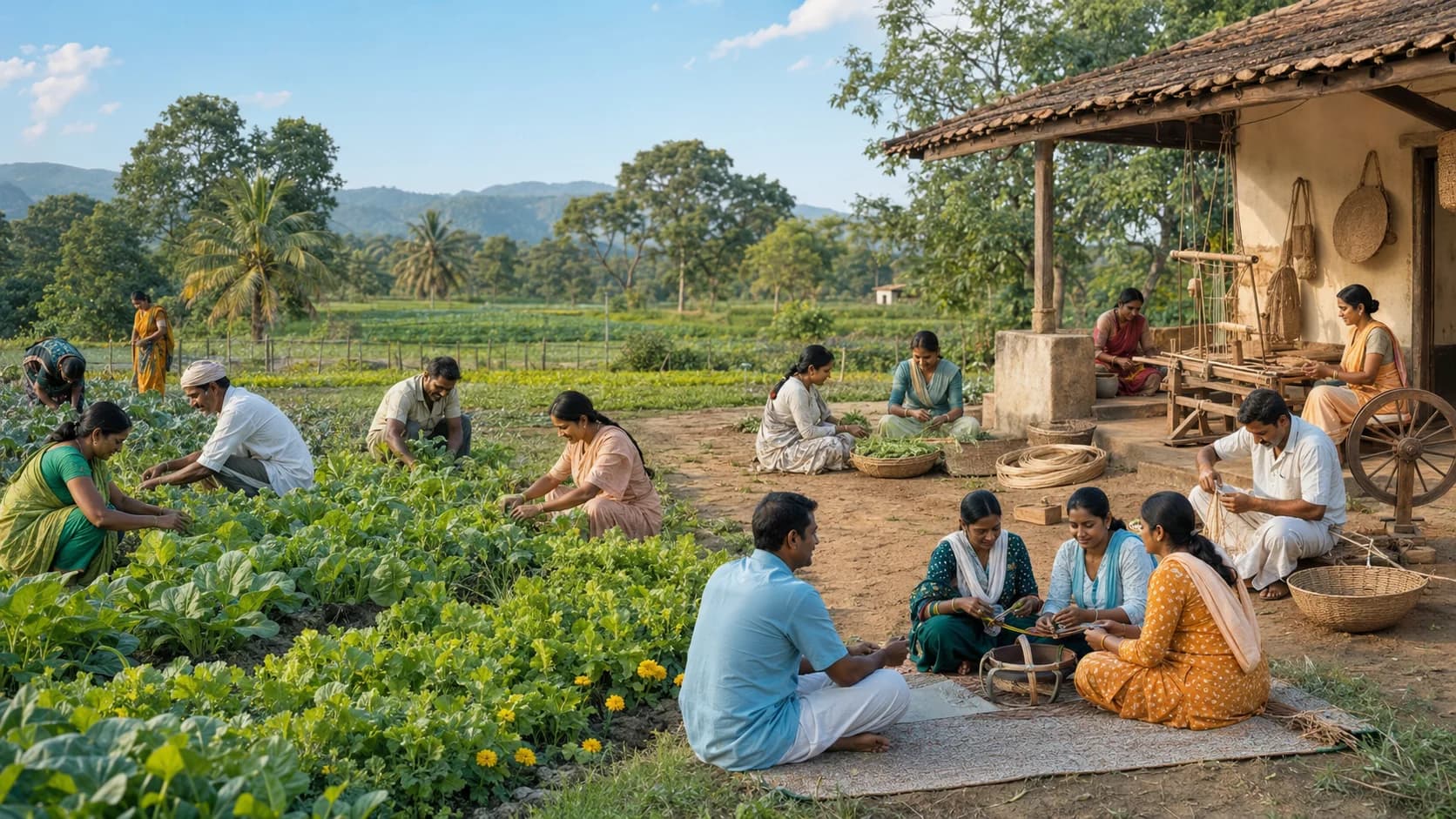
After retiring from teaching, a resident of Awari decided to begin working directly in agriculture.
The individual established a demonstration farm on approximately half an acre, using cultivation methods intended to reduce dependence on synthetic agricultural chemicals.
The demonstration provides a place where cultivation practices can be observed and discussed.
The practices include:
- ✓Avoiding synthetic chemical fertilisers.
- ✓Avoiding chemical herbicides and pesticides.
- ✓Using natural and biological inputs.
- ✓Observing soil conditions and crop health.
- ✓Considering the long-term fertility of the land.
- ✓Sharing practical experiences with interested farmers.
Soil Health, Production and Costs
A transition to natural farming raises several practical questions for farming families.
How can crops be produced reliably? How do cultivation costs compare with conventional methods? What happens to soil health over successive seasons? Can families make changes without placing their income at undue risk?
The Awari demonstration provides an opportunity to study these questions under local conditions.
The work involves observing cultivation practices, crop performance, input requirements and the condition of the soil over time.
Learning Through Observation
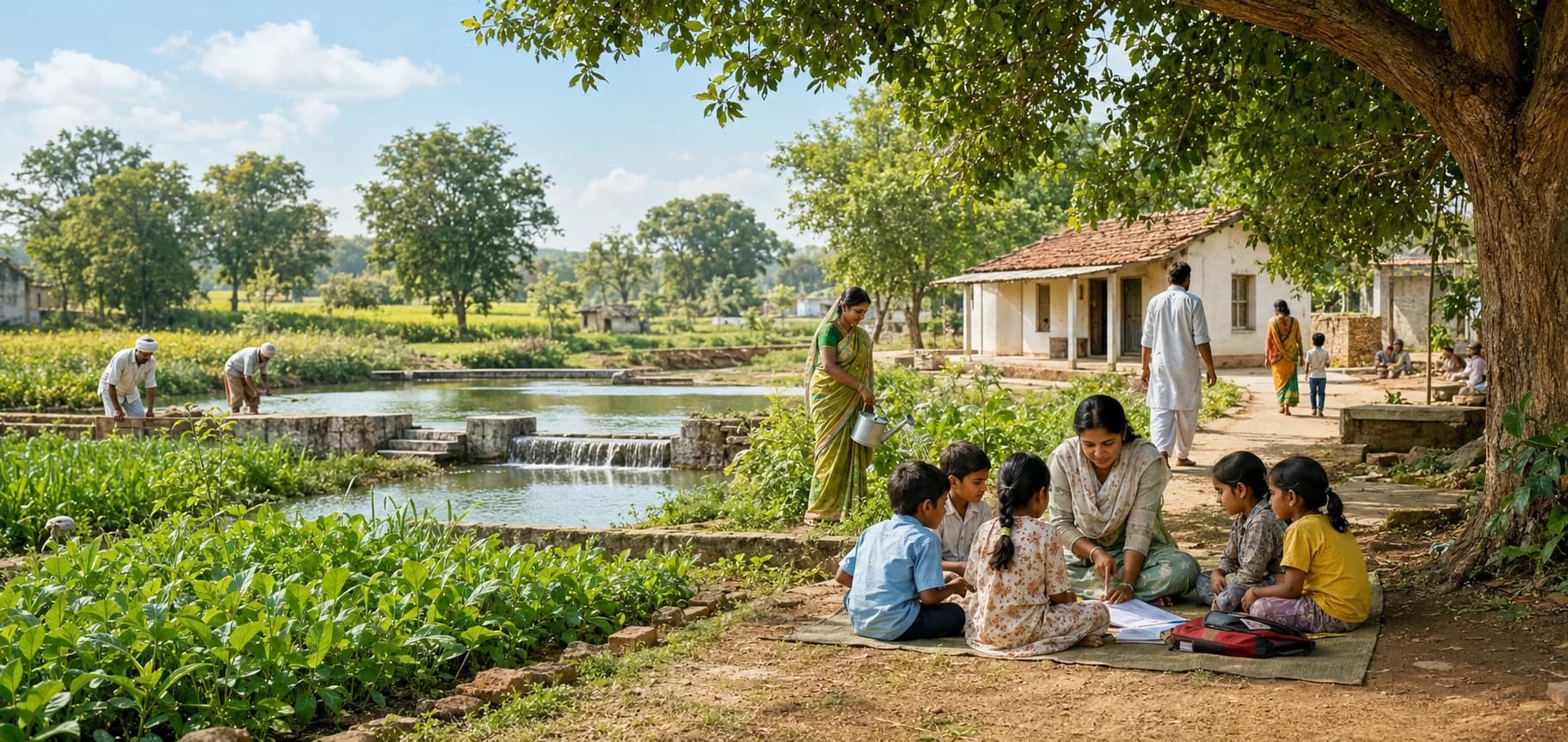
The half-acre farm serves as a setting where farmers and young people can observe cultivation methods directly.
Visitors can examine plant growth, discuss the use of natural inputs, compare seasonal experiences and ask questions about farming practices.
Practical Learning
The demonstration connects practical agricultural work with continued observation, documentation and learning.
Documenting the Farming Experience
The next stage of work focuses on improving the documentation and sharing of the farming experience.
These activities can help farmers examine natural farming practices through practical evidence and local experience.
Learning from a Small Farm
Awari's natural farming initiative is centred on a relatively small area of land.
The experience provides an opportunity to examine agricultural methods through direct work, observation and discussion. Continued documentation can help identify practices suitable for other farmers working under similar conditions.